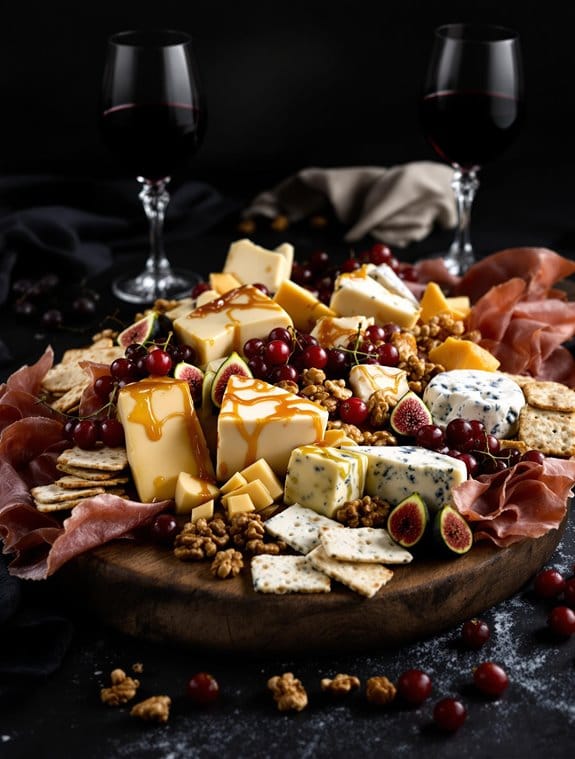
The Unsung Hero: Why Your Board Matters As Much As Your Cheese
Whether you're hosting a lively family gathering, enjoying a quiet romantic evening in, or simply seeking an elegant alternative to cooking, a beautifully curated cheese board instantly transforms any occasion into a celebration. But while the array of artisanal cheeses, succulent fruits, and gourmet crackers are undoubtedly the stars of the show, there's an often-overlooked element that plays an equally crucial role in its appeal: the board itself.
Think about it: we truly eat with our eyes. A stunning presentation elevates even the simplest ingredients, making the experience feel thoughtful and luxurious. Imagine a selection of exquisite cheeses artfully arranged on a sleek, dark slate or a rich, dark-stained wood board. Suddenly, it looks like you've poured significant effort into the evening, even if all you did was slice and arrange. When you're working with high-quality ingredients, every detail counts, and the foundation upon which they rest is no exception. Choosing the perfect board isn't just about aesthetics; it's about enhancing the flavor journey and creating an unforgettable visual feast.
Beyond the Brie: Decoding Materials for the Best Cheese Board
The material of your cheese board is perhaps the most significant factor influencing its look, feel, and functionality. Each material offers distinct advantages, catering to different styles, maintenance preferences, and budgets. Understanding these differences is key to finding the best cheese board for your needs.
- Natural Wood: A timeless classic, wood brings warmth and organic elegance to any spread. Options like acacia, bamboo, maple, and walnut are popular choices.
- Acacia: Known for its beautiful, varied grain and durability, acacia wood boards are both robust and visually appealing. They often feature natural variations that make each piece unique.
- Bamboo: An eco-friendly and fast-growing option, bamboo is incredibly hard, moisture-resistant, and less prone to warping. It offers a light, clean aesthetic.
- Maple & Walnut: These premium woods offer rich colors and fine grains. Maple provides a lighter, smoother surface, while walnut delivers deep, sophisticated tones. Wood boards require regular oiling to maintain their luster and prevent drying out.
- Pros: Natural beauty, sturdy, durable with proper care, versatile.
- Cons: Requires oiling, can absorb odors if not sealed, not dishwasher safe.
- Sleek Slate: For a dramatic and modern presentation, slate boards are hard to beat. Their dark, matte surface provides a striking contrast that makes vibrant cheeses and accompaniments pop. Many slate boards even allow you to write directly on them with chalk, labeling your cheeses for guests—a truly sophisticated touch.
- Pros: Elegant, dramatic contrast, can be written on, easy to clean surface.
- Cons: Can be fragile and chip, heavy, can scratch delicate surfaces if not properly protected underneath.
- Luxurious Marble: Marble boards exude opulence and refinement. Their natural coolness is a practical advantage, helping to keep cheeses fresh for longer, especially in warmer environments. They are also non-porous and relatively easy to clean.
- Pros: Luxurious aesthetic, naturally cool (ideal for cheese), easy to clean, durable.
- Cons: Very heavy, can be expensive, prone to staining from acidic foods like balsamic vinegar or red wine, can be brittle if dropped.
- Versatile Ceramic & Porcelain: Often found in platters or integrated into sets, ceramic and porcelain offer a wide range of colors and patterns. They are easy to clean and can be quite durable, though they are still susceptible to chipping or breaking if dropped.
- Pros: Diverse designs, easy to clean, can be microwave/dishwasher safe (check manufacturer).
- Cons: Can chip or break, may not offer the same rustic appeal as wood or slate.
Size, Shape, and Features: Tailoring Your Board to Your Gathering
Beyond material, the dimensions and design of your board significantly impact its suitability for different occasions and the overall presentation. When searching for the best cheese board, consider how you intend to use it.
Choosing the Right Size
The size of your board should correspond to the number of guests and the quantity of food you plan to serve. A good rule of thumb:
- Small (8-12 inches): Perfect for an intimate date night, a personal treat, or as an accent board for a specific cheese or accompaniment.
- Medium (14-18 inches): Ideal for a small gathering of 2-4 people, offering enough space for 3-5 cheeses and a few pairings.
- Large (20+ inches): Essential for parties and larger gatherings, allowing ample space for a diverse selection of cheeses, charcuterie, multiple accompaniments, and even small bowls of dips or olives. Remember, a crowded board looks abundant and inviting, but you still need space to cut and maneuver.
Exploring Shapes
Shapes can influence the flow and aesthetic of your spread:
- Rectangular: The classic and most versatile shape, rectangular boards offer clean lines and efficient use of space, making them easy to arrange and serve from.
- Round: Evoking a sense of communal sharing, round boards create a beautiful focal point. They're excellent for encouraging guests to mingle and graze from all sides.
- Irregular/Organic: Boards with live edges or unique, natural shapes lend an artistic, rustic, and modern flair. These pieces often become conversation starters themselves.
Integrated Features for Enhanced Functionality
Some boards come with thoughtful additions that elevate their practicality:
- Integrated Drawers: Many wooden boards feature hidden drawers that neatly store cheese knives, spreaders, and other utensils. This is incredibly convenient, keeping everything you need in one elegant package.
- Grooves or Wells: Some boards have carved-out grooves or small wells designed to hold crackers, olives, or dips, preventing them from rolling off and helping to contain any liquids.
- Handles: Built-in handles, whether cut-out or metal, make transporting your fully loaded board much easier and safer.
- Non-Slip Feet: Small rubber feet on the underside prevent the board from sliding around on your table, ensuring stability and safety.
Beyond the Board: Elevating Your Cheese Presentation
Once you've chosen the best cheese board, the real artistry begins with the arrangement. Even the finest board needs a thoughtful layout to truly shine. The goal is to create an abundant, inviting, and visually dynamic spread that encourages exploration.
Start by placing your anchor cheeses, considering their textures and shapes. For instance, an aged Gouda, which can be broken into delightful, crystalline chunks, will present differently than a soft, bark-wrapped cheese like Harbison or Rush Creek Reserve, which invites guests to spoon out its creamy interior. For guidance on selecting the perfect cheese varieties, delve into Expert-Approved Cheeses: Craft Your Diverse Cheese Board.
Fill in the gaps with an array of complementary accompaniments: crunchy crackers and crusty bread, sweet fresh and dried fruits, salty olives and cornichons, crunchy nuts, and delightful dips or honeys. Don't be afraid to experiment with different textures and colors. A sprig of fresh rosemary or thyme can add a beautiful aromatic and visual touch. The key is to make it look abundant and effortless, creating a feast for both the eyes and the palate.
Caring for Your Canvas: Maintenance Tips for Longevity
To ensure your chosen cheese board remains a cherished centerpiece for years to come, proper care is essential, especially for natural materials.
- Wood Boards: After each use, wipe down with a damp cloth and mild soap. Avoid soaking or putting them in the dishwasher, as this can cause warping or cracking. Regularly oil your wood board with food-grade mineral oil or beeswax conditioner to prevent drying and maintain its rich appearance.
- Slate Boards: Simply wipe clean with a damp cloth. For stubborn spots, a mild dish soap can be used. Be careful when handling slate, as it can chip if dropped or knocked.
- Marble Boards: Clean with warm, soapy water. While marble is non-porous, highly acidic foods or dark liquids can stain it if left for too long, so clean spills promptly. Avoid abrasive cleaners.
Conclusion: The Art of the Perfect Cheese Board
Ultimately, selecting the best cheese board is about more than just a surface to hold your snacks; it's about investing in a piece that enhances the entire culinary experience. From the earthy elegance of wood to the modern appeal of slate or the luxurious feel of marble, your choice of board sets the tone for your spread. By considering material, size, shape, and thoughtful features, you can ensure your cheese presentation is not just delicious, but truly stunning, making every gathering, big or small, feel like a special occasion.
